Sign In

Living Donations

Was the human anatomy created with living kidney donation in mind? It seems so.

Kidneys remove wastes and excess fluid from the blood. A person is born with two. But studies show that one kidney is enough to keep the body healthy.

The national waiting list for organ transplants is more than 100,000 names long, according to the United Network for Organ Sharing. Of these, more than half need a kidney.

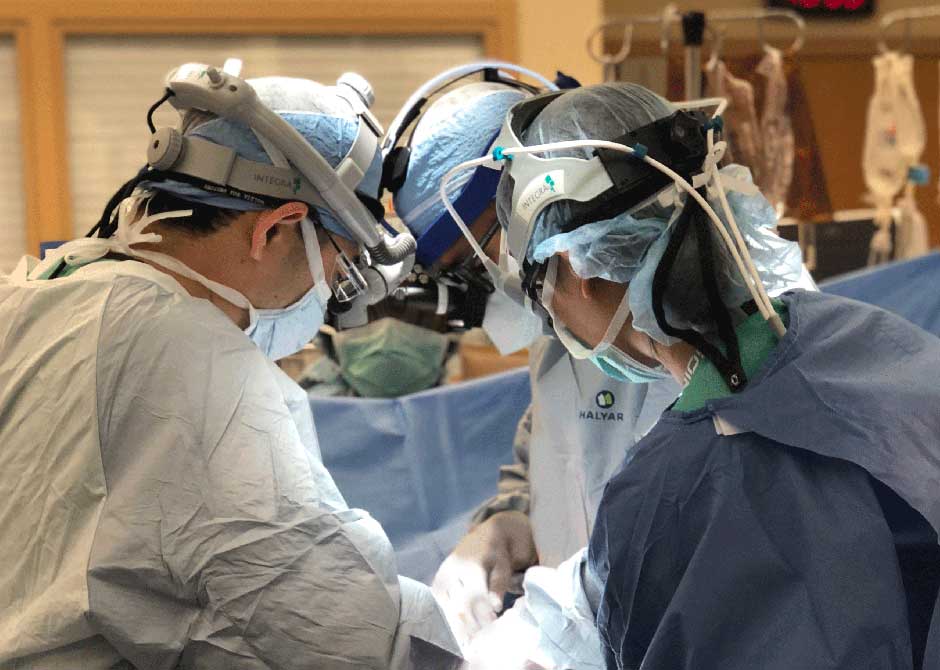
According to the National Kidney Foundation, living kidney donation does not change life expectancy. A study looking at thousands of living kidney donors 30 years after donation showed these donors had excellent outcomes. Recovery from surgery usually takes donors from two to six weeks. After recovery, living donors can continue to lead normal lives.

Advantages of a Living Donation
Plus, living kidney transplantation has a number of advantages compared with kidney transplantation from a person who has died:

· Since the living donor is often a close relative, there can be a better blood and tissue match and less chance of rejection.
· The transplant can be scheduled ahead of time.
· Kidneys from living donors begin to function immediately after transplant.
· Kidneys from a deceased donor may take several days or weeks before they begin to function normally.

Who Can Be A Living Donor?
You and the recipient must have compatible blood types. Further testing determines whether you have compatible tissue. You will undergo a physical exam to assure that both of your kidneys function normally.

A psychological evaluation may be used to provide information, emotional support and assess motivation. Also, the decision to become a living donor should be voluntary and free from internal or family pressure.

The transplant center will also discuss any financial and insurance issues. The recipient generally pays the cost of the living donor’s evaluation, testing and surgery, and therefore, the donor should not incur any medical expenses. However, time off work and travel expenses need to be considered. A new Ohio law gives state employees time off work for donating.

If becoming a living organ donor is not possible, consider giving blood or bone marrow. And sign an organ donor card and share your wishes with your family.

 Read a success story about living organ donation