Experiencing symptoms of a stroke or watching a loved one suffer from a stroke can be scary and confusing.
That’s why it’s so important to familiarize yourself with the warning signs of a stroke to allow you to access treatment quickly if you see or experience them. Every minute counts when you’re dealing with a stroke. It’s always an emergency.
Knowing these signs can produce better outcomes, lead to shorter recovery times, prevent permanent disability and even save a life.
Here we'll explain what a stroke is, how to spot warning signs and why we're a trusted leader in delivering care to those who experience a stroke.
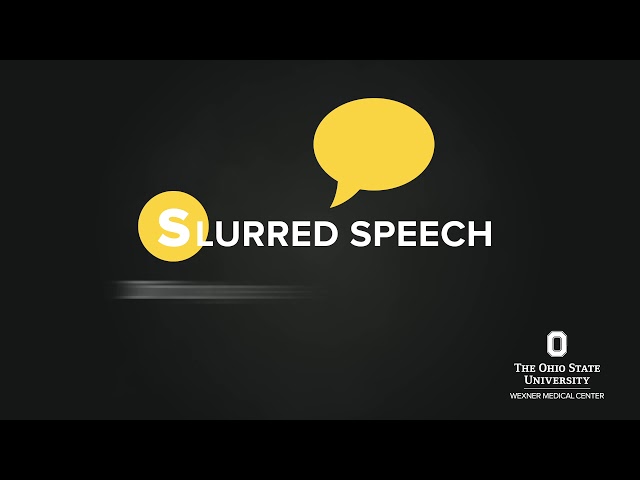
When it comes to strokes, health care professionals encourage people to B.E.F.A.S.T. Not only does that phrase stress the need to react quickly, but it also reminds people of these early stroke symptoms:
- Balance problems
- Eye and vision problems
- Facial drooping
- Arm numbness or weakness
- Slurred speech
- Time to call 911
What’s a stroke?
A stroke is sometimes mistaken for a problem that occurs in the heart. However, it actually happens in the brain when blood flow is disrupted, either by a blockage or bleeding. Because the brain is then deprived of oxygen, brain cells begin to die within minutes.
Issues can arise if these cells go without oxygen for even a short time. The parts of the body those brain cells control start to lose function, affecting your ability to speak, move, recall facts, control your bowel or bladder or handle emotions.
A stroke can cause lasting brain damage, long-term disability and even death.
With roughly 800,000 people in the United States experiencing a stroke every year — or about one person every 40 seconds — saving a life means understanding the types of stroke, what causes them and what to do if you or someone near you is having one.
Call 911 immediately if stroke symptoms begin.
Ohio State is a leader in stroke care
While a stroke can create an alarming situation for patients and their families, if handled appropriately, they’re treatable. That’s where Ohio State’s Comprehensive Stroke Center excels:
We're the only hospital system in Columbus with neurosurgeons dual-trained in both open (directly on the brain) and endovascular (through a blood vessel) treatment techniques, allowing them to perform traditional surgeries, as well as more minimally invasive procedures using radiology. That means no matter what type of treatment you need, we're prepared to help.
There are very few of these highly trained and skilled neurosurgeons nationwide and four of them have chosen to work at the Ohio State Wexner Medical Center.
Our expert care extends beyond the emergency and operating rooms as we will also assist you through our nationally ranked stroke rehabilitation program in rebuilding the functions you might have lost because of a stroke.
Here are some other aspects of stroke care that make us a leader in stroke care across Ohio and the United States:
We're a Comprehensive Stroke Center
We were one of the first hospitals in the country to be designated as a Comprehensive Stroke Center by The Joint Commission and the American Heart Association/American Stroke Association. This means we continually meet certain performance measures, such as how quickly treatment is administered or how often patients are assessed for rehab services to maintain that distinction. We have the infrastructure available to treat the most complex of stroke cases. Also, in 2022 the American Heart Association honored us with the Get with the Guidelines® Stroke Gold Plus with Target: Stroke Honor Roll Elite, Advanced Therapy and Target: Type 2 Diabetes Honor Roll.
We also have a Primary Stroke Center
If you don't live near the main campus of our medical center, Ohio State East Hospital is certified as a Primary Stroke Center by The Joint Commission and is able to provide more advanced stroke care than the average hospital. If you go there, our team can diagnose a stroke and start any necessary treatment.
We’re part of the Mobile Stroke Treatment Unit
In partnership with other central Ohio hospitals, we use an ambulance that is specifically designed to treat and transport stroke patients. It’s staffed with health care providers trained in stroke care and is equipped with special testing equipment to properly diagnose stroke and begin treatment right away. While in this vehicle, you can choose to be transported to the Ohio State Wexner Medical Center and we’ll virtually connect you with our neurosurgeons while en route.
Our hybrid operating rooms are always ready for stroke patients
Stroke patients are treated in operating rooms that are outfitted with an interventional radiology suite, allowing our dual-trained neurosurgeons to perform whatever lifesaving procedure you might need immediately. This unique set up, which isn’t found at most hospitals, lets us provide all emergency stroke care in one place, accelerating treatment and limiting patient exposure to only one round of anesthesia.
Our Stroke Clinic helps prevent stroke
Nearly 25% of people who suffer a stroke will experience another one during their lifetime. With help from our stroke-trained specialists, you can prevent a recurrence of a stroke by continuing to take prescribed medication and following other pieces of your treatment plan.
Our Telestroke Network program treats people regionally
If you suffer a stoke in another part of the state, you can still have access to the lifesaving capabilities of the Ohio State Wexner Medical Center through our Telestroke Network. Using video conferencing, 27 rural hospitals can tap into the unmatched expertise of our neurologists and neurosurgeons as part of this initiative.