


Gastroesophageal reflux disease (GERD)/heartburn
Gastroesophageal reflux disease (GERD)/heartburn occurs when the lower esophageal sphincter, which acts as a valve between the esophagus and stomach, becomes weak or relaxes, causing stomach contents to rise up. GERD is the most common esophageal disease, and it can cause damage to the esophagus over time.
People of all ages can develop and suffer from symptoms of GERD. If not treated, it can lead to more serious health problems, including the risk of developing cancer of the esophagus. If you have had symptoms of GERD and have been using antacids or other over-the-counter reflux medications for more than two weeks, see your health care provider.
What causes GERD or long-lasting heartburn?
While the cause of heartburn (GERD) isn’t always known, there are many known risk factors, including:
- Being overweight
- Smoking
- Pregnancy
- Side effects of certain medications for asthma, antihistamines and antidepressants
GERD symptoms
- Burning feeling in the chest, especially after eating
- Chronic cough
- Difficulty swallowing
- Chest pain
- Feeling like there is a lump in your throat or food stuck in the throat (also called dysphagia)
- Sore throat or loss of voice (laryngitis)
Diagnosing GERD
Patients with long-lasting or recurring heartburn need a full evaluation of their esophageal anatomy and function.
This may include:
- Upper endoscopy to evaluate the lining of the esophagus
- Upper GI barium swallow exam (utilizing X-ray to visualize the esophagus and stomach)
- Manometry test to evaluate function of esophageal muscles
- pH test to determine severity of GERD: a small tube is inserted through the nose into the esophagus or through an implantable device that eventually passes through the GI tract
GERD treatment
GERD is initially managed medically using H2 blockers or proton pump inhibitors (PPIs), as well as lifestyle modifications. Many people can improve their symptoms by:
- Avoiding alcohol and spicy, fatty or acidic foods that trigger heartburn
- Eating smaller meals
- Not eating close to bedtime
- Losing weight if needed
Many H2 blockers (like Zantac and Pepcid AC) and PPIs (like Nexium and Prevacid) are available over the counter without a prescription, and stronger doses can be prescribed by a physician.
For patients who are intolerant of PPIs or concerned about long-term medication use, or who may show symptoms of Barrett’s esophagus, surgical treatment may be the best option.
Surgical options include:
- Transoral incisionless fundoplication (TIF) using the EsophyX® Device
- Nissen fundoplication
- LINX® Reflux Management System (GE junction pacemaker)
- Stretta therapy: delivers radiofrequency energy to the muscle between the stomach and esophagus, improving tissue and muscle function and resulting in fewer GERD events
Why Ohio State?
- We are leaders in this field and offer the latest, most advanced procedures to treat GERD.
- Ohio State was the first in the U.S. to perform the TIF procedure using the EsophyX® Device.
- We’ve performed thousands of laparoscopic anti-reflux operations.
- A majority of our procedures are done laparoscopically.
Our Medical Providers

Subhankar Chakraborty, MD, PhD
- Gastroenterology

Hisham Hussan, MD
- Gastroenterology

Sheryl Pfeil, MD
- Gastoenterology
Our Surgical Providers

Stacy Brethauer, MD
- General Surgery

Desmond D'Souza, MD
- Thoracic Surgery
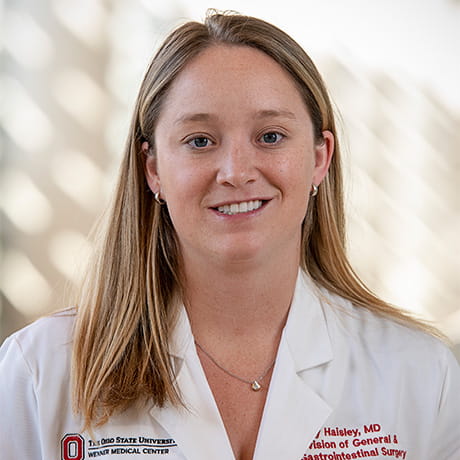
Kelly Haisley, MD
- General Surgery

Melissa Himes, APRN-CNP
- Surgery, Nurse Practitioner

Peter Kneuertz, MD
- Thoracic Surgery

Michael Meara, MD
- General Surgery

Robert Merritt, MD
- Thoracic Surgery

Vimal Narula, MD
- General Surgery

Kyle Perry, MD
- General Surgery

Heather Ratliff, APRN-CNP
- Surgery, Nurse Practitioner

David Renton, MD
- General Surgery

Patrick Sweigert, MD
Our Clinical Providers

Alayna Guzak, RDN, LD
- Outpatient Dietician Nutritional Services